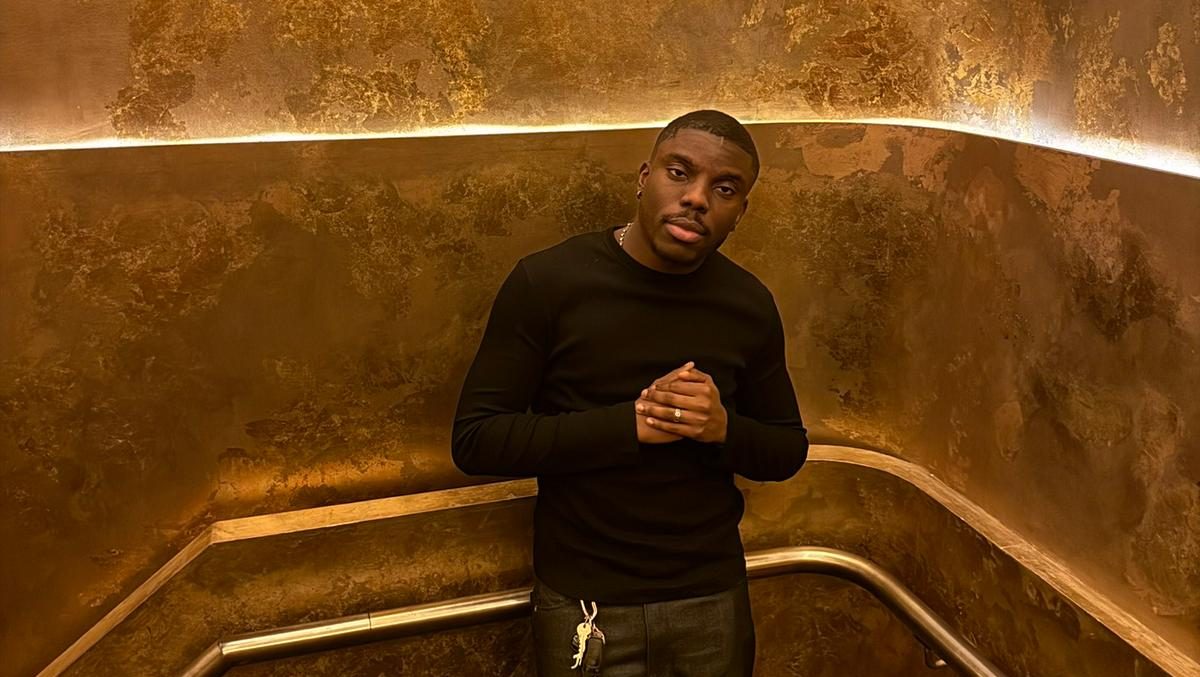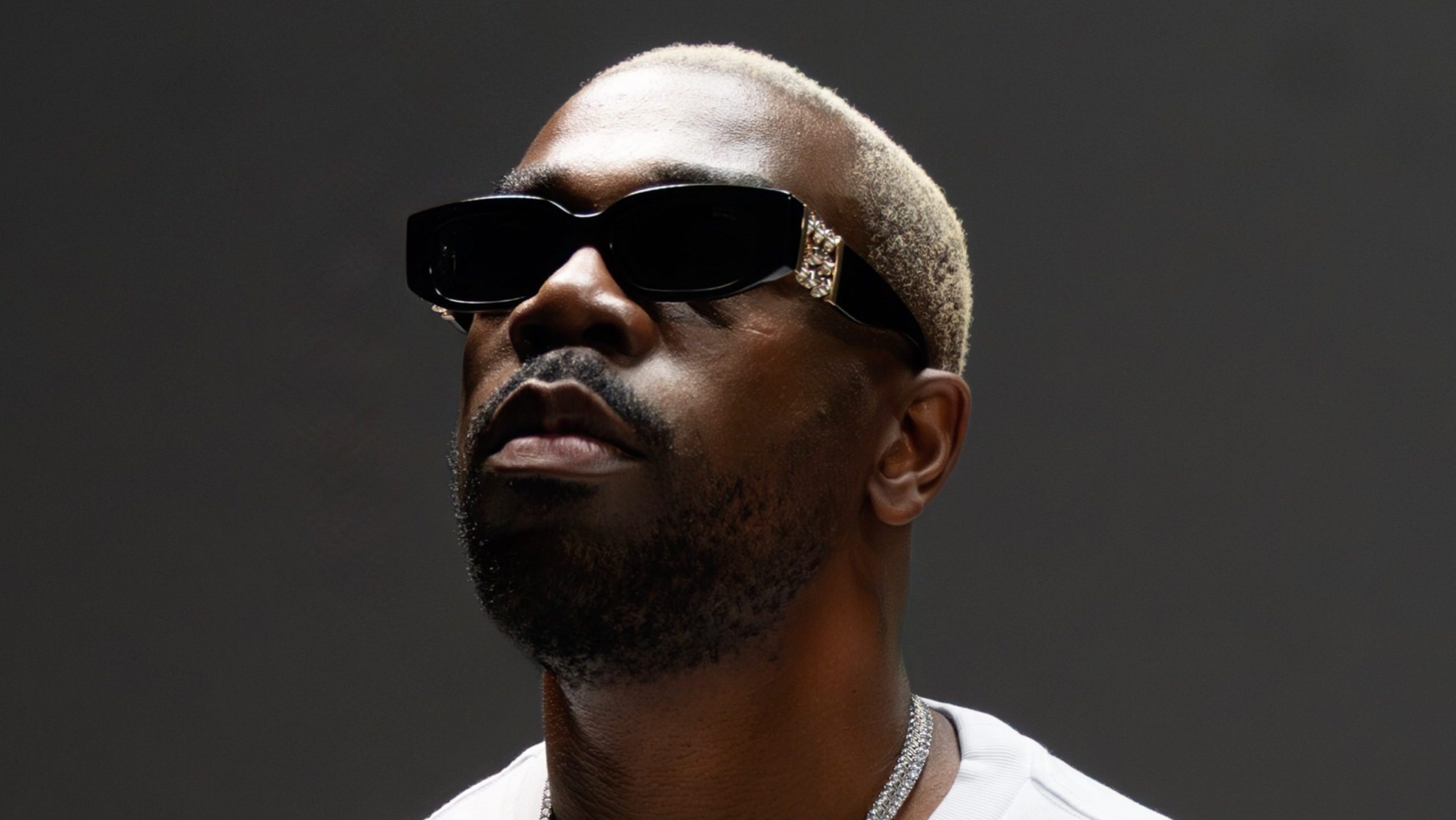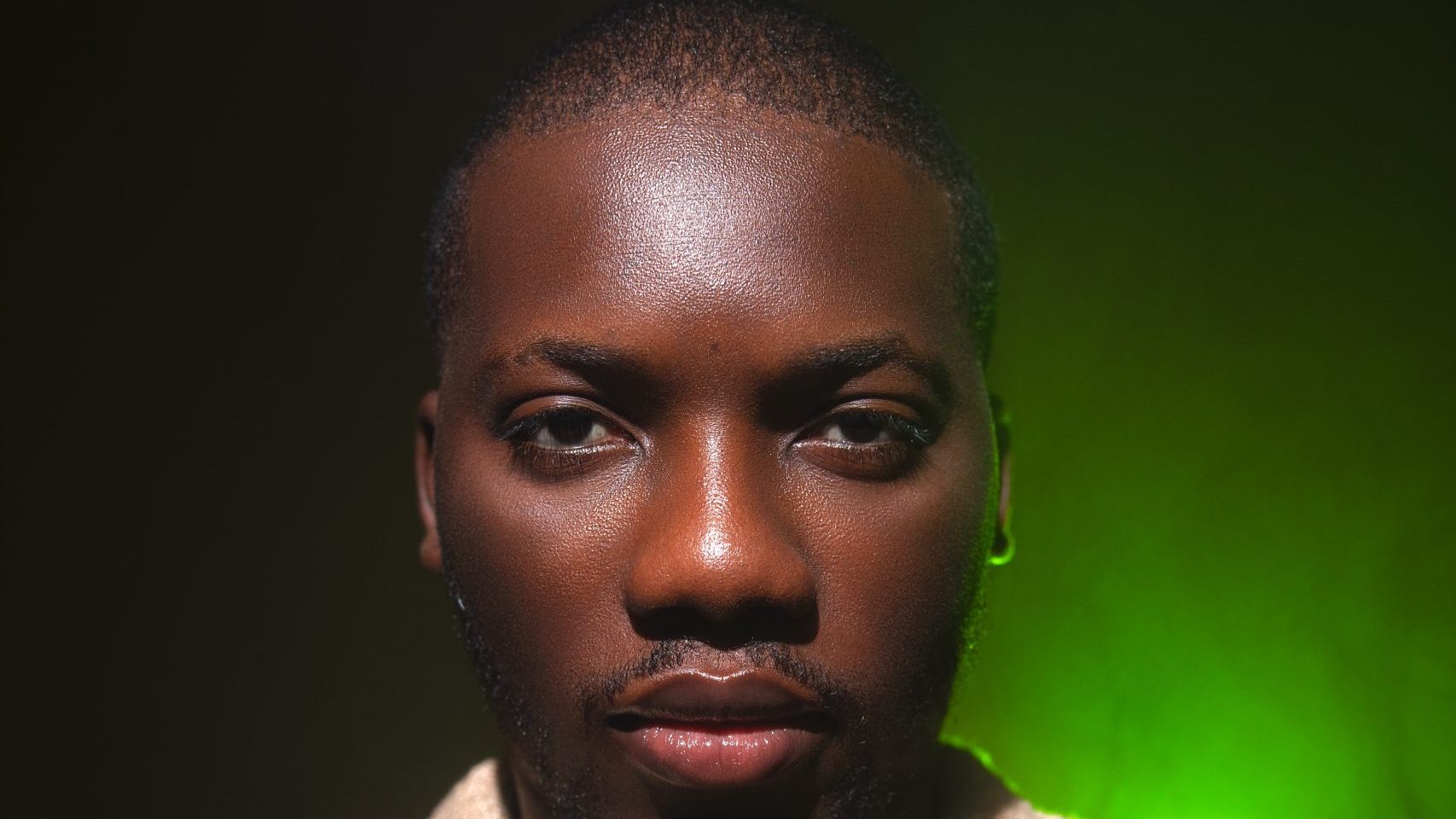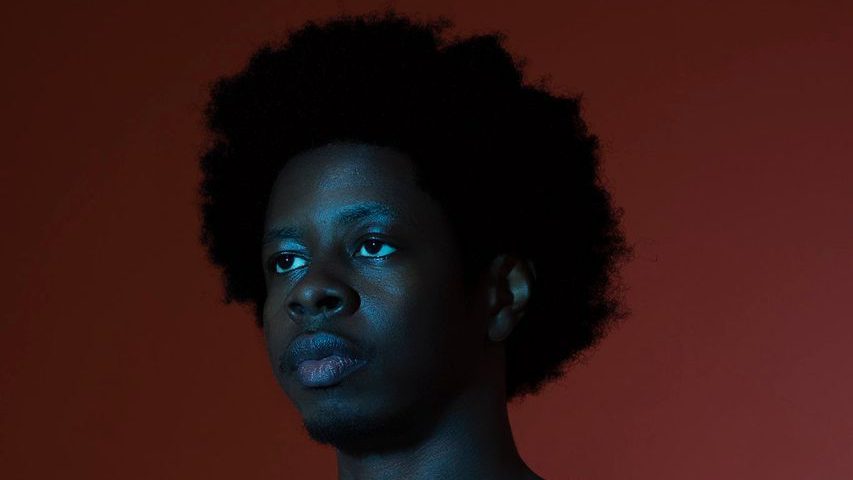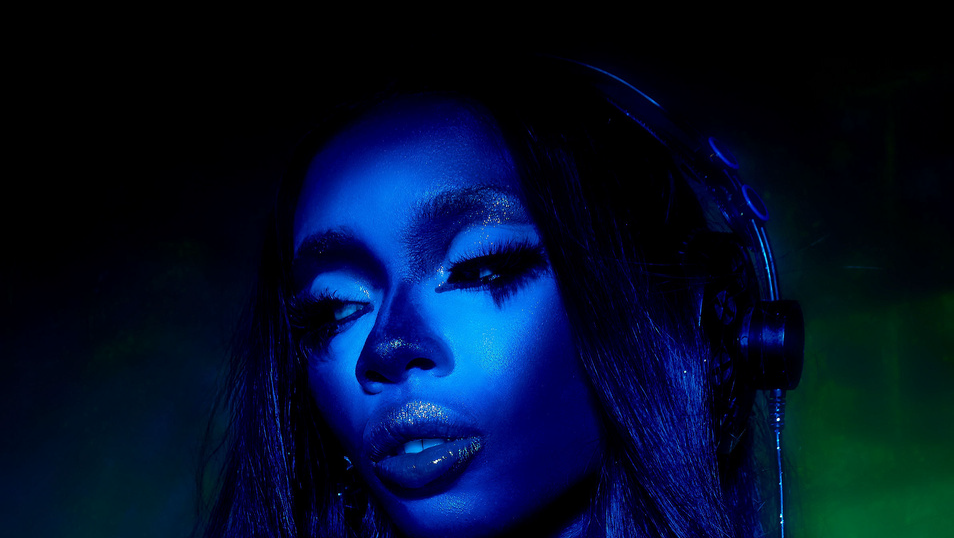
At 21, the Lagos-based DJ, model, event curator, and nursing graduate, Kyla, has already built a world around a single belief: that sound is never just entertainment. It is expression, control, and atmosphere. Armed with little more than her phone and an ear that most seasoned DJs would envy, she has carved out a space in Nigeria’s alternative and Afro-house scene that feels entirely her own. Her events don’t just happen. They are felt.
We caught up with Kyla and had a conversation about the Nigerian rave scene, building worlds, trusting your instincts, and what it actually means to shape culture through sound.
You have your fingers in a lot of pies. You’re a DJ, model, nursing graduate, event curator, and brand founder. So who is Kyla, and how would you introduce yourself at a house party?
I think Kyla is someone who’s very sensitive to energy. Everything I do: DJing, modelling, curating events, comes from that. I notice how a room feels. I notice tension, silence, and anticipation. I like shaping those moments.
I don’t see my roles as separate things. DJing is how I control sound. Modelling is how I express myself visually. My events are where everything comes together physically. It’s all one language to me, just different mediums.
At a house party, I wouldn’t list all that. I’d probably just say, “I’m Kyla. I’m HER, and I like curating experiences.” And if the music shifts at the right moment or the vibe suddenly feels intentional, you’ll understand what I mean.
You started DJing in July 2025; that’s very recent. What was the actual moment that made you think “okay, this is something I need to pursue seriously”?
When I was eight, I used to play around with a DJ app on my dad’s laptop, blending hip-hop, Afrobeats and R&B. I didn’t call it DJing then. I was just curious about how songs could blend with each other.
Years later, I was listening to a track and felt this urge to mix it with the song it sampled from. I downloaded an app, tried it, and it blended perfectly. That moment felt like muscle memory. Like I was returning to something.
But the real shift happened when I got deeper into raves and Afro-House music in general. I mixed an Afro-House track by Drumetic Boyz with a Cardi B record. Two completely different energies, and it worked in a way that felt intentional, not experimental. That’s when I knew it wasn’t random. And once I realised my ears and hands could curate worlds like that, I decided to take it seriously and kept on experimenting.
You DJ with your phone as your primary instrument, which is uncommon in the industry. Walk me through that choice.
It wasn’t a strategic statement at first. It was simply what I had access to.
But starting that way forced me to really understand music structure instead of hiding behind equipment. I had to listen deeply. I had to know where a drop was going before it happened. I had to feel transitions instead of relying on buttons.
Over time, it stopped being a limitation and became part of my identity. And honestly, a part of me liked that it felt disruptive. Everyone expects you to start with full decks and gear. I liked the idea of building something different and starting a new wave that proves the instrument isn’t artistry. The curation is. The timing is. The ear is. The phone is just a tool.
You describe your sound as “suspenseful.” What does that actually mean to you, and how do you build that feeling in a room?
Suspense, to me, is about restraint. I don’t like giving a room everything at once. I build slowly, layering percussion, teasing vocals and stretching transitions so when a drop finally lands, it feels earned.
House music is my foundation. That’s the pulse. But I love blending across genres, including hip-hop, Afrobeats, R&B and even Trap, and finding the thread that connects them. The suspense comes from not fully knowing where I’m about to take you next.
And my transitions are very intentional. I like them smooth and almost invisible. Sometimes you don’t even realise we’ve crossed into a completely different genre until you’re already moving.
You blend Afro-electronic, Gqom, Afro-house, hip-hop, and alternative. That’s a wide palette. How do you hold all of that together in a single set without losing the crowd?
For me, it’s less about genre and more about texture and mood. Genres are just categories. What really keeps a crowd is emotional continuity. Even if the BPM shifts, the feeling doesn’t. I transition through shared drum patterns, basslines, or percussive energy so the movement feels natural.
And I’m always reading the room. If I feel the energy dip even slightly, I adjust. Suspense doesn’t mean confusion. It means control. The unpredictability only works because there’s structure underneath it. So I don’t lose the crowd. I guide them. They might not know where we’re going next, but they definitely trust the journey.
Afro-house specifically feels like it’s at an interesting crossroads in Nigeria right now. It’s growing, but it’s still not fully mainstream. Where do you think it’s headed, and what’s your role in that?
Afro-house is moving from niche to necessary. Young Nigerians want more than mainstream repetition. They want texture, depth, and intentional spaces.
The next step is structure and global positioning. Better production, better storytelling, and clearer identity. My role is to build a world around it. I shape the sound through my sets, the visual through modelling, and the physical experience through WTFKYLA. I sit between underground and curated mainstream, and I’m making it aspirational without stripping its soul.
The rave scene in Nigeria has exploded over the last few years. What do you think cracked it open, and do you think it’s being built sustainably, or is it a bubble waiting to burst?
It exploded because people needed new forms of expression and release. I don’t think it’s a bubble, but sustainability will depend on intention. If we focus only on hype, it fades. If we build community and infrastructure, it evolves. That’s something I’m conscious of with my own events.
There’s a conversation happening about whether the Nigerian rave and Afro-house scene is developing its own identity or still borrowing heavily from South Africa and the UK. Where do you stand on that?
I think influence and identity can exist at the same time. Afro-house has deep roots in South Africa, and the UK has shaped global rave culture for decades. Ignoring that would be dishonest. But borrowing isn’t the same as lacking identity, especially in a globalised music landscape where sounds constantly travel and evolve.
What’s happening in Nigeria right now feels like translation, not imitation. The rhythm might carry familiar textures, but the energy, the crowd psychology, the fashion, the social codes, all of that’s distinctly Nigerian. We’re in the phase of absorption and reinterpretation. Identity doesn’t appear overnight. It forms through repetition, documentation, and confidence.
You curate each set with what you call “emotional precision.” What does that look like in practice? How are you reading a room and adjusting in real time?
For me, emotional precision starts with understanding context. I DJ often, but I’m not always playing to a rave audience. And in Nigeria, rave culture isn’t fully mainstream yet, so you can’t assume people are already aligned with the sound.
So sometimes I start harder than expected. Not chaotic but confident. You have to establish authority early so the room doesn’t question the direction. From there, I’m constantly reading micro-signals: body language, eye contact, how people are moving, whether they’re leaning in or stepping back. Are they responding to bass? Melody? Familiar vocals? I adjust based on that.
If I feel resistance, I don’t panic. I anchor them with something recognisable, then slowly pull them back into my world. Emotional precision is about managing tension and release in real time. It’s about knowing when to push and when to soften.
WTFKYLA is your own event and lifestyle brand. What gap in Lagos’ creative scene were you trying to fill when you started it?
When I started WTFKYLA, I noticed there were events and there were creatives, but there weren’t enough intentional worlds. A lot of spaces felt transactional. You show up, you party, you leave. But there wasn’t always a strong sense of identity, curation, or emotional direction behind it.
I wanted to create a space where sound, fashion, and community felt cohesive. Not just a party, but a controlled atmosphere. A place where alternative kids, underground heads, and expressive people didn’t feel like outsiders.
Lagos is vibrant, but it can also be segmented. I wanted to build something that sat between rave culture, fashion culture, and youth subculture, and I treated it seriously. At WTFKYLA, we don’t just host events. It’s a universe where sound has intention, visuals matter, and where community matters.
The WTFKYLA x Quacktails collab, the pop-up series at Jazzy’s Burger, Lagos Sneaker Club x Volcan. Your partnerships seem very intentional. What’s your criteria for saying yes to a collaboration?
I’m very selective about collaborations because I see my work as world-building, not just promotion. First, I ask whether the space or brand aligns with the energy I’m trying to cultivate, which is alternative culture, youth expression and creative community.
Second, I look at whether the collaboration adds value to the people who show up. I’m interested in experiences, not just visibility. If it doesn’t feel meaningful to the audience, I usually don’t pursue it.
Finally, I consider creative freedom. I work best when I can maintain the identity of my world (sound, atmosphere, and community feel) even within a partnership. For me, collaboration is not about quantity. It’s about cultural resonance.
You’re also a model. How does the way you think about image and visual identity influence how you approach a DJ set? Or do the two worlds stay completely separate?
I don’t keep the two worlds completely separate because they both centre on curation. Modelling taught me to think about image, movement, and emotional storytelling through visuals. DJing works similarly, just through sound and atmosphere.
I’m not trying to perform fashion on the decks, but I’m conscious of how sound shapes perception and mood. Also, I like dressing fly to my sets. It’s part of presence for me, not to distract people from the music, but to complete the experience. When sound, mood, and image align, the energy feels more intentional.
Be honest. What’s the most chaotic thing that’s happened mid-set, and how did you hold it together?
There was a time I was playing at my own event in Tarkwa and needed to use the restroom. I had already looped the track I was playing, so I stepped away briefly. While I was in the restroom, I heard a different song start playing. The sound engineer had unplugged my phone and switched the audio.
I honestly did crash out a little internally because I value control of my sets, but I stayed composed in the moment. I finished what I needed to do, came back, and took back the set smoothly. Live environments can be unpredictable, so I’ve learned to focus more on preparation and staying calm when things don’t go exactly as planned.
You’re 21 with a nursing degree and a growing career in music. Do those two worlds ever talk to each other in your head, or is nursing fully in the past now?
Honestly, I stepped away from pursuing nursing when I was working toward a higher-level degree last year. At this point, I’m more focused on building my career in music, curation, and creative expression. Nursing isn’t something I plan to practice professionally.
That said, I still respect the foundation the education gave me. If I ever return to that field, I think I would prefer an academic path rather than clinical practice, possibly teaching rather than working in direct care. Right now, though, my energy is directed toward building within the creative space.
If you had to soundtrack your life, what would that playlist actually look like? What songs would be on it?
If I had to describe what the playlist would sound like, it would be a little dark, alternative, and forward-moving. More mood than genre. As for the songs that would be on it, definitely One Call by Rich Amiri, Track 10 by Charli XCX, Final Champion by Cruel Santino and iPlan by Dlala Thukzin.
Lagos’ creative scene is having a real moment globally right now. Where do you see yourself fitting into that bigger picture, and what do you think is still missing?
I want to keep showing what I can do creatively. I’m interested in building a presence on global stages, walking shows, working within fashion and music spaces, and representing Nigerian alternative youth culture in a way that feels confident and authentic to me.
I think Lagos’ creative scene is already very talented, but we still need more visibility, better documentation, and more consistent platforms that push alternative voices outward. I see myself being part of the generation that helps carry that culture to a wider audience.
What’s a sound or genre you haven’t touched yet that you’re secretly curious about?
I’m curious about EDM. I haven’t really explored it deeply yet, but I’m interested in how big, festival-style electronic energy is built. I’m more naturally drawn to darker, moodier, alternative electronic sounds, but I think the expansive, crowd-driven nature of EDM is interesting because it’s very different from the spaces I usually play in. It’s something I might experiment with in the future, even if it’s not my primary sound.
Five years from now, where is Kyla, and what does a headline moment look like for her?
Five years from now, I see myself operating on bigger global stages. I want to be headlining alternative music and culture spaces, things like Coachella or performing in curated underground environments like Boiler Room, where the focus is really on sound, presence, and culture.
Outside of music, I want to continue growing in fashion and creative identity spaces. Walking for or working with houses like Prada or Yves Saint Laurent would be great because I like the intersection of music, modelling, and visual culture. A headline moment for me would be representing Nigerian alternative youth culture on global stages, not just as a DJ, but as a curator of atmosphere and experience.