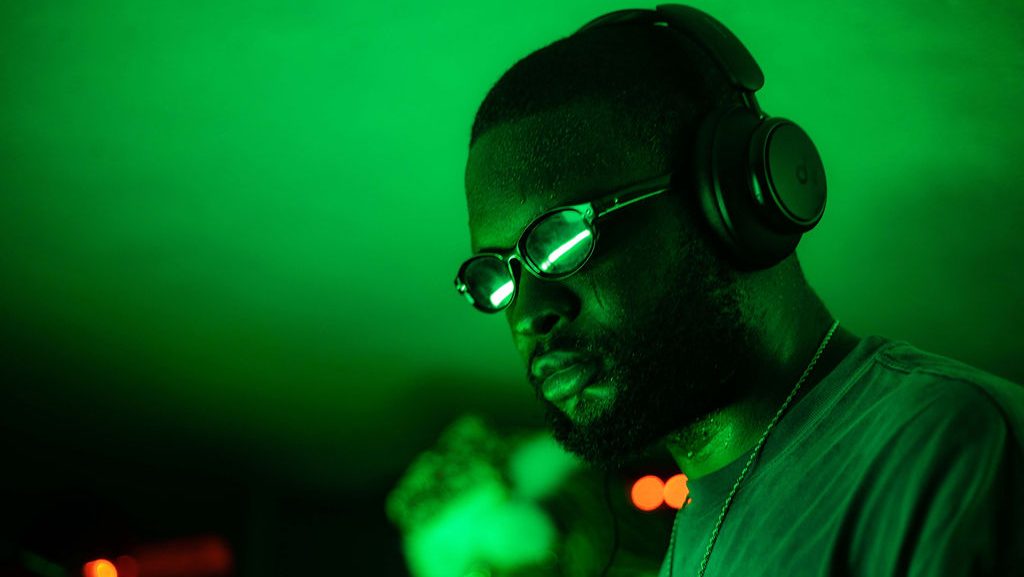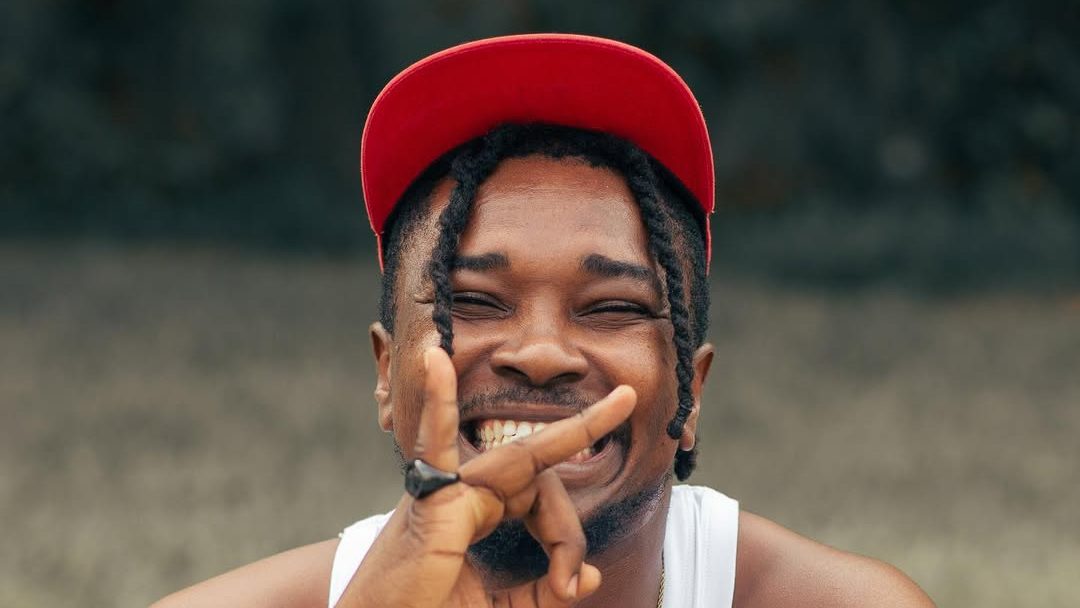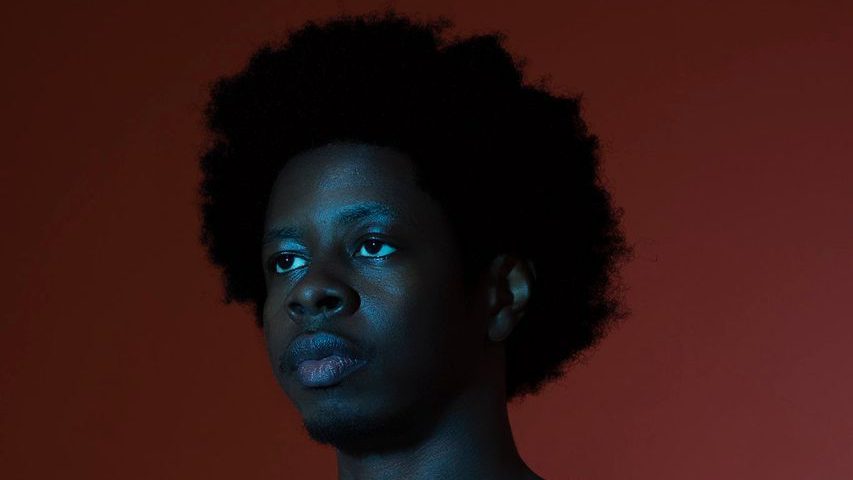
From his bedroom experiments in 2015 to Grammy nominations and over 320 million streams, Damie has become one of the most compelling voices in the evolution of African dance music. The producer and DJ has left his fingerprints on some of the biggest tracks in recent memory: Fave’s “Baby Riddim,” Davido’s “Kante,” and countless others that have soundtracked parties from Lagos to London.
But Damie isn’t interested in resting on those laurels. With his monthly Damie Live parties, he’s building something more tangible than streams: a community, a movement, a space where the pulsating energy of Afro-house meets the intimacy of shared experience. He’s a producer who hates mixing, a versatile creator who refuses to pick a lane, and an artist whose love for the music remains as pure as it was when he first discovered production software in high school. Just recently, he released his debut album Come Back, with Dolapo Martins, proving that he’s just getting started.
As Afro-house explodes globally and the boundaries between genres continue to blur, Damie sits at the intersection of tradition and innovation, creating what he calls “the future of Afro sounds.” In this conversation, he opens up about his journey, his process, and what it really takes to build something meaningful in an industry obsessed with the next big thing.
Take me back to 2015, high school in Lagos. You were experimenting with instruments and production software. What was the first sound or beat you made that made you think, “I can actually do this professionally”?
I didn’t have that moment when I thought I would do this professionally. I was simply creating and experimenting because I enjoyed it. It was always about the love and it still is. I love those moments when I impress myself and make something amazing. Over time, that love just carried me to where I am now.
From experimenting in high school to now having over 320 million streams, that’s a massive leap. What were the turning points, the moments where doors opened for you?
My first major break was Baby Riddim by Fave. I honestly didn’t see that moment coming. The song opened a completely new world for me, I got to connect with amazing artists and people in the industry, and that exposure changed everything. It felt like the beginning of a new chapter, where the work I’d been doing quietly for years finally started opening doors.
You’ve worked with Davido on “Kante,” Fave on “Baby Riddim,” BNXN, Blaqbonez, Llona, these are all artists with distinct sounds. How do you adapt your production style while keeping that signature “Damie” fingerprint on every track?
I always create what I love, and somehow it always finds a way to connect with the specific artist I’m working with. I explore a lot of genres, but I always interpret them in my own way and my own style. That’s how the ‘Damie’ fingerprint shows up. No matter the artist or the sound, I’m still creating from my taste and my instincts.
Your production is known for infectious melodies, intricate drum patterns, and meticulous attention to detail. Walk me through your process. Do you start with drums, melody, or whatever fits the vibe that day?
It really depends on how I feel that day, but most times I start with the drums. Once I lock in the bounce and the groove, it naturally inspires the melodies I play. The rhythm sets the vibe, and everything else flows from there.
We discovered something interesting: you’re a sound engineer, but you hate mixing records. Why? What is it about mixing that doesn’t resonate with you?
Haha, mixing is way too much sweat for me. It takes a lot of time and it’s a whole different layer of work. I’d rather focus on creating than spending hours fine-tuning. I can always bring in someone who really enjoys that side of things, so I can stay in my creative zone.
“Kante” and “Baby Riddim” are both massive hits with very different energies. When you’re in the studio with an artist, how do you tap into what they need versus what you think will work?
I think when an artist calls me for a session, it’s because they connect with my sound already. So they’re ready to tap into my world, and at the same time, I’m paying attention to what works for them. It becomes a balance. We’re both locked in, sharing ideas, and bringing our worlds together to create something that feels true to both of us.
Afro-house is exploding right now. How does it feel watching a new genre rise in an industry that, until now, has been so dominated by Afrobeats alone?
It’s really exciting to watch. If you look closely, the love for Afro-house right now is so genuine. Dance music has always been my favourite, so seeing it grow this way feels special. I’m just glad we have a real community now.
Do you think the global rise of Afro-house is properly crediting African producers and DJs, or is there still work to be done in terms of recognition and ownership?
There’s still a lot of work to be done. We need more original releases coming from African producers and DJs, and once that starts happening consistently, the recognition and ownership will naturally follow.
Where do you see Afro-house in five years? Will it remain distinct, or do you think it’ll blend further into the broader house landscape, and would that even be a bad thing?
It’s already blending, and it’s only going to blend even more. Music evolves naturally and there’s no stopping it; that’s not a bad thing. It just means the sound will keep growing and reaching new places.
As both a producer and a DJ, you occupy two critical roles in the ecosystem. What do you think is the DJ’s responsibility in pushing movements like Afro-house forward? Is it about breaking new records, championing local talent, or educating the crowd?
It’s honestly all of the above: breaking new records, championing local talent, educating the crowd. But most importantly, it’s about making people dance with great music. The moment people connect on the dancefloor, the movement grows even faster.
Let’s talk about Damie Live, your monthly Afro-house party. What inspired you to create your own event series rather than just playing other people’s parties?
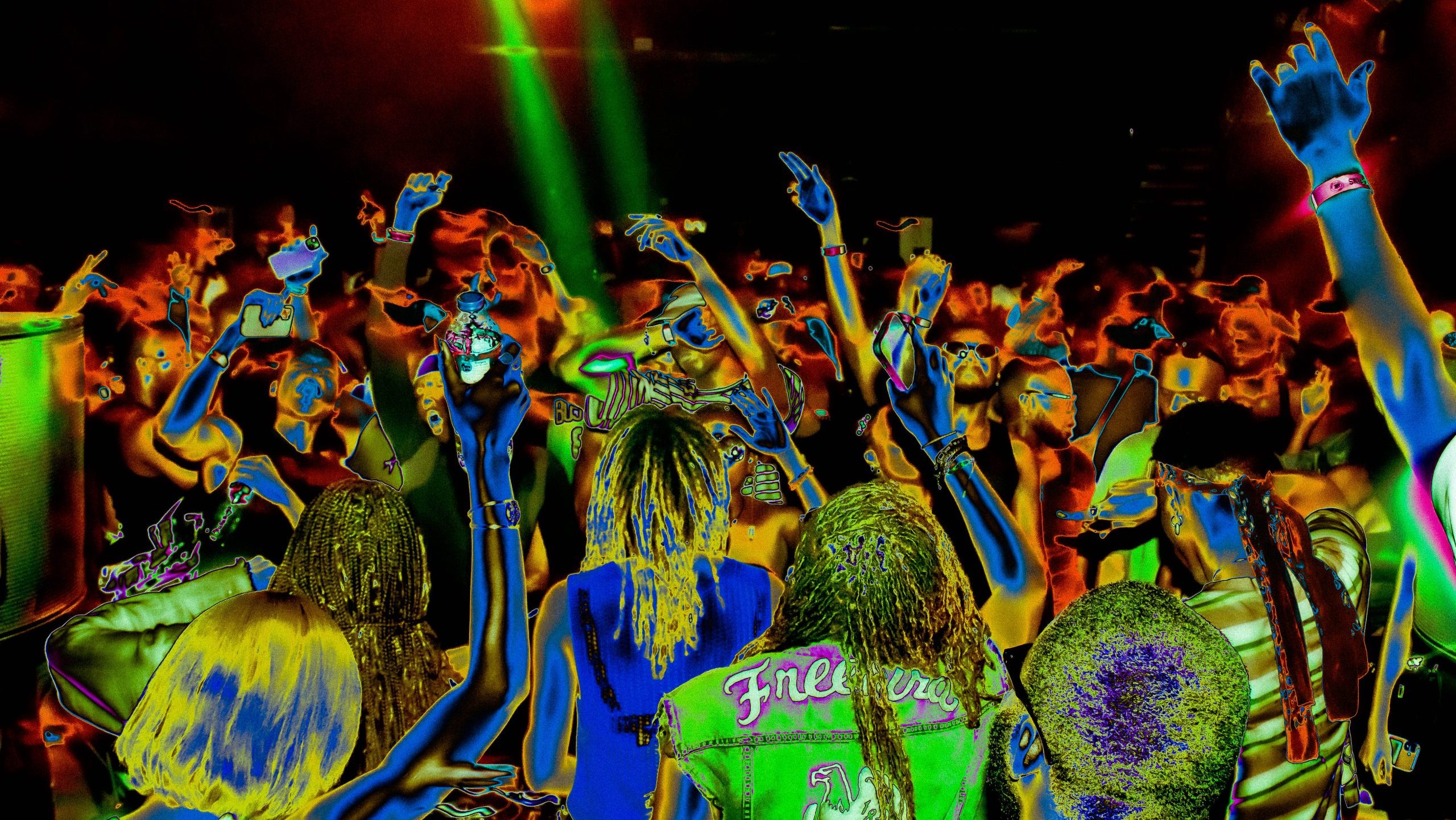
I wanted a space where I could share the music I create and the music I love. Damie Live is about building a community of people who connect with that same energy. Instead of just playing at other people’s parties, I wanted to create my own world and invite people into it.
You describe Damie Live as blending “pulsating rhythms with an intimate, high-energy atmosphere.” That sounds contradictory: intimate and high-energy. How do you design a space that achieves both?
It’s not contradictory at all, that’s the magic of Damie Live. The energy is high because the music is strong, but it still feels close and personal. The crowd is right there, the lighting is warm, and you can really feel everyone reacting to each drop. It’s a rave, but it still feels like a personal experience. That mix is what makes it special.
When you’re curating a Damie Live set versus producing in the studio, does your brain work differently? Is it about reading the room in real-time, or do you plan the journey in advance?
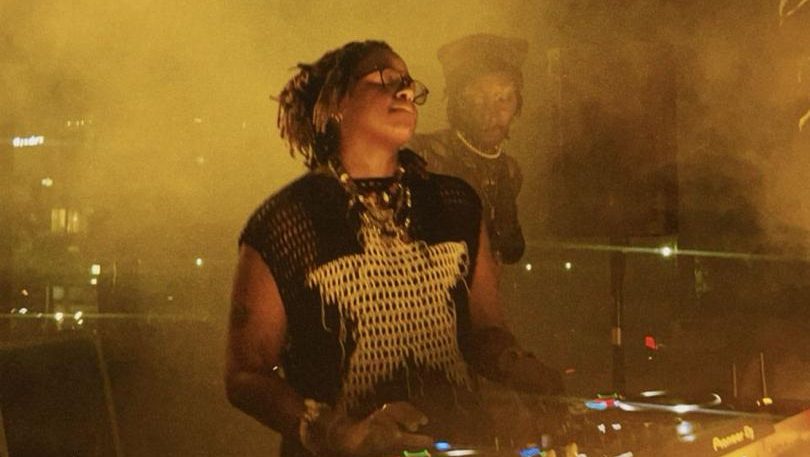
Yes, it’s definitely a different mindset. In the studio, I’m building a world from scratch. I’m focused on emotion, sound design, and creating something that will live beyond the moment. But at Damie Live, it’s all about the room. I have a general direction for the journey, but I never lock myself to a strict plan. I read the crowd in real time and let their energy shape where we go. The best sets happen when the people and the music are feeding each other.
What’s been the most memorable Damie Live moment for you?
The most memorable one has to be the Homecoming edition. I had so many friends around, including people I hadn’t seen in a long time, plus supporters who genuinely love my music. Seeing all those people come out for me was really beautiful. And of course, the music was amazing, every DJ delivered. It felt like a true celebration.
You’re described as someone working across Afro-house, Afrobeats, and Dancehall. But the industry loves to box artists in. Have you faced pressure to pick a lane, or has your versatility been an asset?
My versatility has definitely been an asset. As I said earlier, I always do what I love. If I’m not having fun or enjoying the music, you won’t find me there. So there’s zero pressure to pick a lane. I just follow what feels real to me, and that’s what keeps the sound fresh.
You’re a Grammy-nominated producer. What was that experience like? Did it change how you approach your work, or how the industry approaches you?
Being Grammy-nominated was surreal. It felt like a confirmation that the work I’ve been doing for years is reaching people on a higher level. But it didn’t change how I approach my craft. I still create from a genuine place. If anything, it made the industry pay more attention, but for me, it’s still the same process: stay focused, stay grounded, and keep making great music.
Success (320 million streams, major collaborations, sold-out parties) looks incredible on paper. But what’s the hardest part of your journey that people don’t see? The sacrifices, the rejections, the moments of doubt?
The hardest part is the quiet moments, when ideas aren’t flowing and doubt starts to slip in. Those moments are mentally tough, and people don’t see that side. But I always find my way out and keep going. That resilience is a big part of the journey too.
You just dropped your debut album, Come Back, with Dolapo Martins. What was your favourite track off the album to create, and what do you hope listeners get from the album as a whole?
My favourite song to create was One Minute. For the album, I hope every listener gets to connect with it and tell their story.
Looking ahead at 2026 and beyond, what excites you most about where your sound is going? Are there new influences, technologies, or collaborations brewing?
What excites me most is how my sound is evolving. I’m tapping into new influences, experimenting with new technologies, and pushing my ideas way further than before. I’m also working on some collaborations that feel really fresh. 2026 is about growth for me, taking everything I’ve learned and transforming it into something bigger, deeper, and more intentional.
For young producers and DJs, kids who are where you were in 2015, experimenting in their bedrooms, what’s the most important thing they should know? Not just about ‘blowing’, but about making meaningful music?
Love the music genuinely and show up everyday. The two most important things and the rest should fall in.
You’ve said, “Damie’s sound embodies the future of Afro sounds.” So let’s end with this: what does the future sound like to you? Paint me a picture of where this is all going.
The future sounds more open. Still Afro at the core, but more experimental and global. It’s about pushing the sound forward while keeping the feeling that makes it ours.