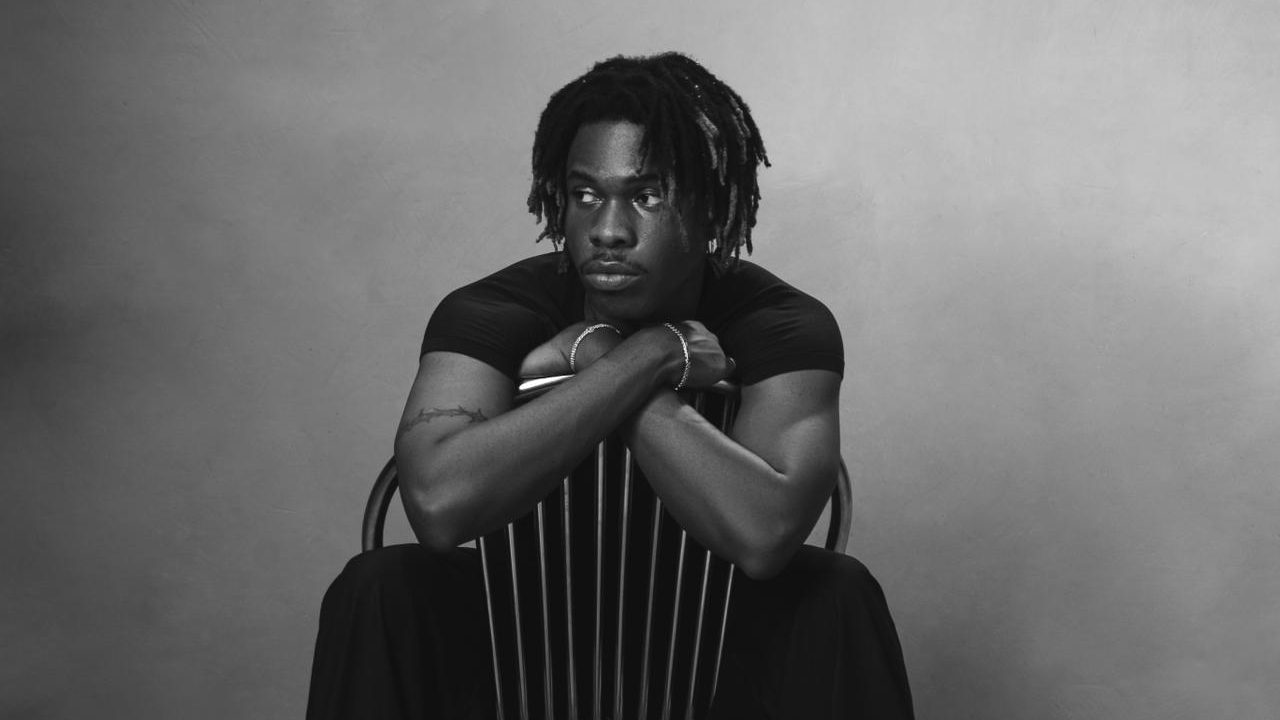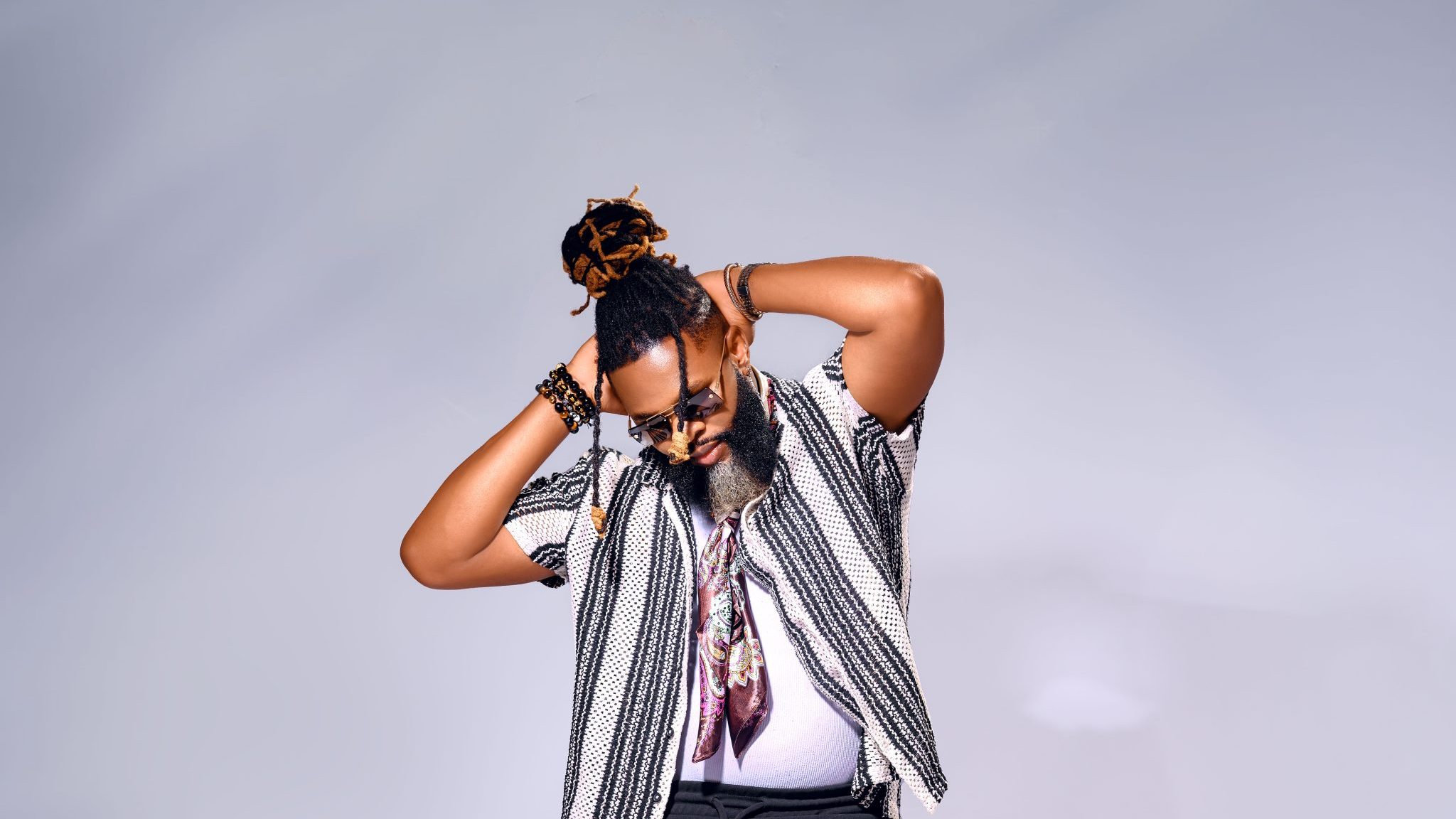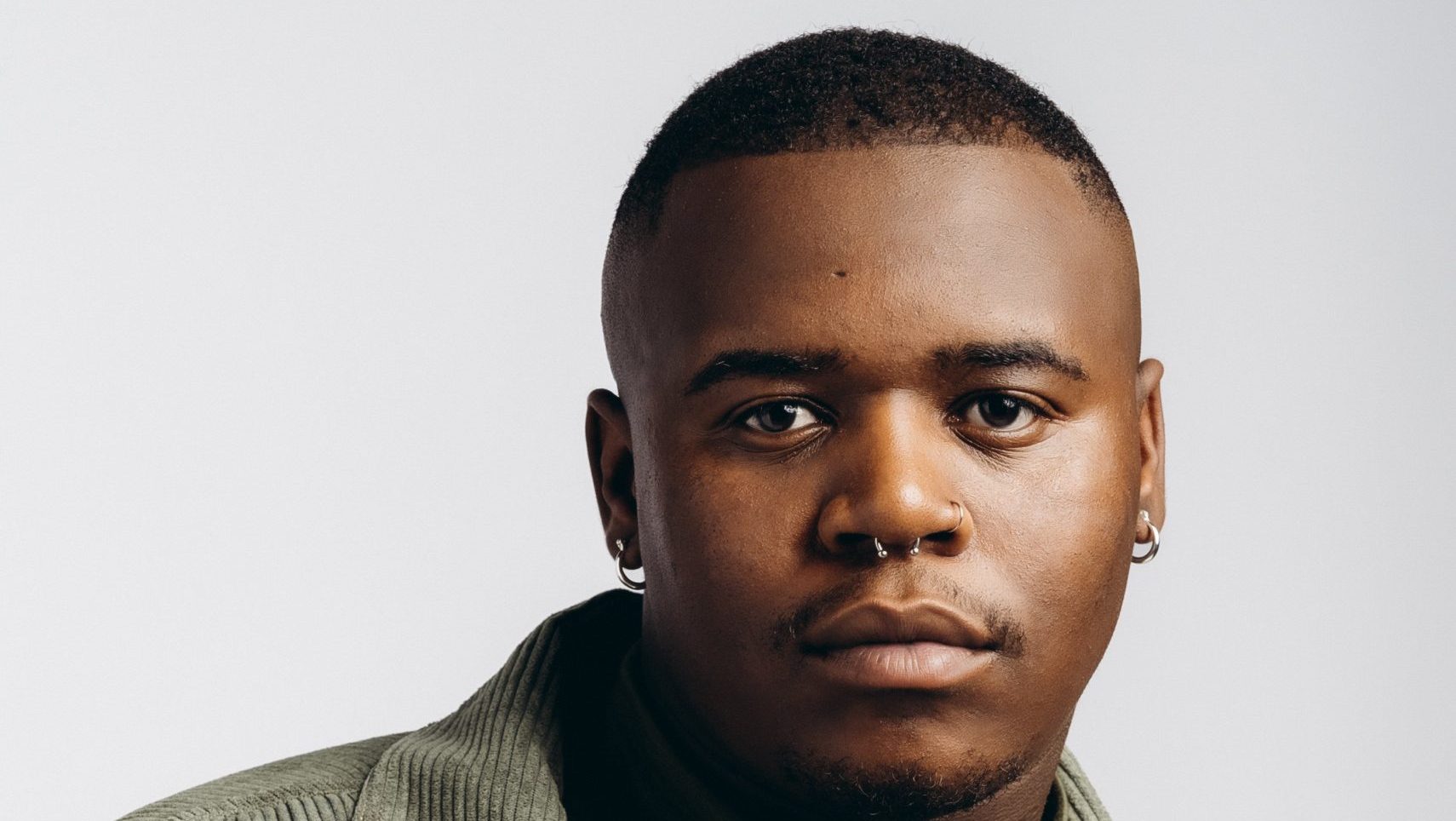
If 2024 was the year African music solidified its global export status, 2025 was the year the continent looked inward and discovered something entirely new. Across Sub-Saharan Africa, a sonic recalibration has taken place. The charts, once dominated by a predictable rotation of legacy giants, have been breached by a vanguard of raw, homegrown talent.
Data from Spotify’s 2025 Wrapped paints a clear picture: the algorithm went beyond curating playlists and accelerated careers. From the high-energy streets of Lagos to the digital airwaves of Nairobi and the rhythmic pulse of Johannesburg, listeners used streaming platforms to discover a generation of artists who are rewriting the rules of engagement. As we look toward 2026, these are the names defining the future.
Our journey begins in West Africa, the continent’s undisputed pop engine, where the definition of a hitmaker changes all the time.
In Ghana, the appetite for fresh narratives drove a surge in discovery. While heavyweights like Black Sherif continued to dominate the national diary, the underground was bubbling with unprecedented ferocity. Gonaboy emerged as one of the standout breakout artists, recording an impressive 1,228% uplift in his streams. Jubed also delivered one of the year’s most compelling rise-stories, achieving a massive 1,057% surge that firmly positioned him as part of Ghana’s new wave of cultural disruptors.
Moving to Nigeria, the scale of discovery was seismic. The standout story here is Mavo, whose streams skyrocketed by an eye-watering 13 000%. This explosion signals a viral connection with audiences that bypassed traditional gatekeepers entirely.
The Nigerian data also hints at a shift in what is being consumed. Sound Of Salem (3 700% uplift) and SteveHills (1 300% uplift) surged into the spotlight, aligning with reports of a spiritual dimension taking hold of Nigeria’s digital habits. Meanwhile, FOLA cemented his status as a dual-threat: not only did he clock a 940% uplift, but he also ranked among the top local discoveries, proving that he can command both viral velocity and sustained attention.
Crossing the continent to East Africa, Kenya is experiencing a surge of musical talent and artistic output. The region has found its new superstar in Toxic Lyrikali.
To call Toxic Lyrikali a breakout feels like an understatement. The artist recorded a monumental 22 000% increase in streams – the highest uplift observed across Sub-Saharan Africa. But the data tells a deeper story of consistency: Beyond a fleeting viral moment, Toxic Lyrikali set the tune for Kenyans. He appears as both the number 1 Top Most Discovered Artist and the leader in Local Discoveries from new listeners. In a market previously dominated by the likes of Sauti Sol and Wakadinali, Toxic Lyrikali’s ascent, alongside rising stars Dufla (11 000% uplift) and EMKAY64 (1 700% uplift), marks a generational handing of the baton. The Kenyan audience, particularly Gen Z, is no longer just waiting for permission to support their own – they are actively crowning their own kings and queens.
Finally, we land in South Africa, known for its ever-evolving music culture and fiercely competitive Amapiano landscape. Breaking through the noise here requires something special, and 2025 delivered just that.
Shandesh emerged as the year’s critical success story. With an 1 800% uplift, Shandesh didn’t just grow; she converted listeners at a rapid clip, landing at number 4 on the Local Discoveries list. This ability to sit comfortably on charts alongside industry titans like DJ Maphorisa and Kabza De Small is a testament to the artist’s resonance.
The South African breakout class is defined by this blend of high growth and high volume. Mordecai secured a 1 200% increase, while Vuma Dlozi Lami hitmaker Issa Sisdoh proved to be a powerhouse, registering a 900% uplift. These artists are proving that even in a country with an endless list of genres and hitmakers, authentic sound finds its way to the surface.
The Streaming Effect: 2026 and beyond
What connects Siicie in Accra, Mavo in Lagos, Toxic Lyrikali in Nairobi, and Shandesh in Johannesburg? It’s the distinct role of digital discovery. In 2025, streaming platforms transitioned beyond being libraries of music and turned into engines of culture. Artists from all over the continent have found new ways to connect directly with their audiences, who are hungry for something new.
As these artists leverage their 2025 momentum, 2026 promises to be the year they solidify their places as the new pillars of African music. The data is unequivocal: the audience is listening, and they are listening to the future.