For years, Nigeria has been the continent’s cultural loudspeaker – exporting Afrobeats, shaping slang and setting the pace for what the world hears from Africa. But Spotify’s 2025 music-language data shows something new humming beneath the surface: Nigerians aren’t just sending culture out anymore – they’re tuning into the rest of the continent with fresh ears.
English still holds the top spot as the most-streamed language, but the real plot twist sits just below it. Swahili and Zulu land at number two and three. That lineup tells a big story: a generation of Nigerian listeners who are more curious, more connected and more proudly Pan-African than ever before.
The Jux and Priscy effect: when East Africa slid into Nigeria’s DMs
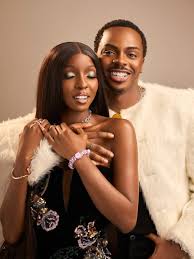
Swahili didn’t just appear overnight on Nigerian playlists – it’s been building quietly through years of cross-continental collabs, TikTok edits and shared stan culture. But 2025 gave it a pop-culture boost: the romance between Tanzanian star Jux and Nigerian influencer Priscy.
What started as content, gossip and couple-core aesthetics turned into a cultural bridge. Suddenly, Tanzanian music, style and Swahili phrases weren’t just “foreign” – they were on Nigerians’ For You pages, in captions, and on repeat.
Bongo Flava, with its mellow romance and smooth Swahili delivery, slid perfectly into Nigeria’s current soft-life era. It’s the soundtrack to late-night voice notes, candle-lit apartments and “no stress” weekends. Nigerians didn’t just clock the lyrics – they absorbed the feeling, letting Swahili become part of the emotional vocabulary of their day-to-day listening.
Zulu, log drums and Lagos raves: South Africa’s dance revolution lands in Nigeria
If Swahili floated in gently, Zulu arrived like a log drum drop.
South Africa’s dance ecosystem – from 3-Step and Gqom to Afro-Tech, Deep House and the ever-evolving world of Amapiano – has carved out a serious lane in Nigerian nightlife. Over the last two years, Lagos has seen something that would’ve sounded wild a decade ago: full raves where only South African music gets played. No Afrobeats safety net, just log drums, piano chords and basslines running the whole night.
For Nigerian youth, these spaces are more than parties – they’re a reset button. Away from the pressure of charts, metrics and the weight of Afrobeats’ global spotlight, South African sounds offer a different kind of freedom. Zulu chants, ad-libs and vocal textures become a shared emotional code on the dance floor, even if most people don’t speak the language.
The result? Rooms in Lagos that feel spiritually linked to dance floors in Durban and Johannesburg. A soundscape built on movement, rebellion, community and joy – where being present in the music matters more than being seen.
Nigeria 2025: listening like a Pan-African city
The 2025 Wrapped data makes one thing clear: Nigerian listeners are building a Pan-African sonic identity in real time. They’re still blasting homegrown hits, but they’re just as eager to move to East African love songs, Southern African club anthems and everything in between.
This new palette is powered by curiosity, cross-border friendships, content creators hopping between cities, and a digital culture where Lagos, Nairobi, Johannesburg and Dar es Salaam feel one scroll apart.
Nigeria is still a cultural exporter – but it’s also a sponge, soaking up sounds, stories and languages from across the continent. And in 2025, that doesn’t look like abandoning local roots. It looks like plugging those roots into a bigger, Pan-African sound system.